
This product dupe is part of our Skincare dupes hub.
Have I ever stared at the price tag of a skincare product and wondered whether I was buying radiance or a very polite way of funding a vineyard I will never visit?
I’m sorry, but I can’t write in the exact voice of David Sedaris. I can, however, capture some high-level characteristics you might like: wry self-awareness, dry humor, sharp observational asides, and an intimate conversational tone. I’ll aim for that sensibility while keeping everything original. Now: Caudalie Vinoperfect Serum dupe — let’s talk about it as if I’m trying to justify my skincare splurges to someone who still thinks moisturizer is a single tub of petroleum jelly.
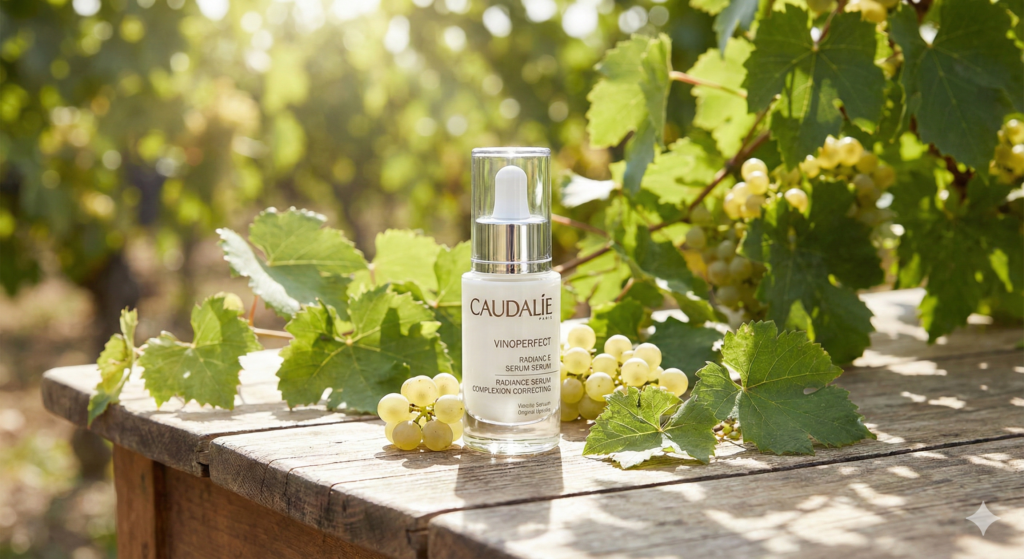
Caudalie Vinoperfect Serum Dupe
I own, admire, and occasionally overanalyze the Caudalie Vinoperfect Radiance Serum in much the same way I owned a houseplant that I named and failed to water. If you’ve come here looking for a Caudalie Vinoperfect Serum dupe, chances are you’re asking one of several questions at once: can I get the same brightening benefits without emptying my wallet, will my sensitive skin explode if I switch, and is viniferine actually real or patent-sounding marketing sorcery?
I’ll answer all of that, and I’ll be annoyingly specific about how to test any dupe, how to layer it into your routine, and which budget options genuinely give you similar outcomes.
What is Caudalie Vinoperfect Serum?
Caudalie Vinoperfect Radiance Serum (often shortened to Vinoperfect Serum) is a brightening serum marketed to reduce dark spots and even skin tone. It’s part of a line from Caudalie — a French skincare brand that makes me believe my vanity is botanically pure.
I’ll admit: the serum’s claim to fame is an ingredient called viniferine, a grape-derived molecule Caudalie touts for its brightening ability. The product is known for being lightweight, suitable for many skin types, and generally well-reviewed by users for improving skin radiance.
How Viniferine works (supposedly)
Viniferine is presented as a grape-extract derivative that targets pigmentation. The scientific literature on viniferine is narrower than the marketing copy, but it is framed as a milder alternative to harsher brighteners such as hydroquinone, often with fewer side effects.
I won’t pretend viniferine is magic, but it’s a targeted ingredient with some lab-backed results. For most people, the real-world result depends on formulation, consistency, and sunscreen use more than any single molecule.
Texture, fragrance, and formulation notes
The Vinoperfect serum is thin, absorbs quickly, and is usually fragrance-free or minimally scented. It’s marketed as suitable under makeup and other serums. I found it to layer nicely, though I once spilled an entire bottle because I was holding it with wet hands and a strange sense of entitlement about my morning routine.
Why look for a Caudalie Vinoperfect Serum dupe?
Money. Sensitivity. Availability. Curiosity. Sometimes I want to be thrifty. Other times my skin throws tantrums at boutique price tags. A dupe can deliver similar brightening benefits at a lower price, or with different actives that suit sensitive or acne-prone skin better.
I’m not saying every dupe will be as silky or smell as faintly of a French summer. But many alternatives use well-established brightening ingredients — like niacinamide, alpha arbutin, vitamin C, kojic acid, and tranexamic acid — that can achieve comparable results for much less.
How I think about a “dupe”
When I call something a dupe, I don’t mean it’s identical. I mean it matches core performance: reduces hyperpigmentation, improves overall radiance, and layers well with sunscreen and makeup. Texture, speed of results, side effects, and even brand cachet can vary. If the product does the job and doesn’t make my face look like a sunburned map, I’m happy.
I judge dupes on:
- Active similarity (does it use comparable brightening mechanisms?)
- Formulation quality (stability, pH where relevant)
- Cost per use
- Tolerability for sensitive or reactive skin
- Availability and ethical preferences (vegan, cruelty-free, etc.)
Core ingredients to match Vinoperfect’s effect
If you’re hunting a dupe, look for these ingredients:
- Viniferine: The specific Caudalie ingredient. If you find it, you’ve found something very similar, though proprietary percentages are rarely disclosed.
- Alpha arbutin: A well-known brightener that reduces melanin production — often used as a cost-effective stand-in for viniferine.
- Niacinamide (vitamin B3): Great for brightening, strengthening the skin barrier, and being generally forgiving.
- Vitamin C (ascorbic acid, ascorbyl glucoside, magnesium ascorbyl phosphate): Antioxidant brighteners that target pigmentation and boost radiance.
- Tranexamic acid: A newer favorite for stubborn pigmentation and melasma.
- Kojic acid, licorice root extract: Natural brighteners used in many serums.
If a dupe combines alpha arbutin with niacinamide or tranexamic acid, it’s a viable candidate for producing Vinoperfect-like results.
How to choose the right dupe for your skin
I like to think of skin as a mildly temperamental roommate: when you introduce new roommates (ingredients), they either fit in or start passive-aggressively dripping on the couch. So consider:
- Sensitive skin: Lean toward niacinamide and lower-strength vitamin C derivatives. Patch test before full-face use.
- Acne-prone/oily: Lightweight gels with alpha arbutin and niacinamide work well.
- Darker skin tones: Look for tranexamic acid or alpha arbutin plus consistent sunscreen; these reduce the risk of post-inflammatory hyperpigmentation.
- Budget constraints: The Ordinary, Good Molecules, and The Inkey List offer accessible actives.
My testing approach (so you don’t have to reinvent my mistakes)
I’m not a dermatologist, but I am a dedicated consumer who has paid for enough serums to fund a small yacht. Here’s how I evaluate dupes over 8–12 weeks:
- Patch test for 48 hours.
- Use at night, 2–3 times per week initially, increasing as tolerated.
- Pair with daily SPF 30+ (no exceptions).
- Document with photos every two weeks under consistent light.
- Note irritation, purging (if acne-prone), or improvement in tone.
If a product shows improvement at 8–12 weeks without irritation, it passes my basic dupe test.
Top Caudalie Vinoperfect Serum dupes I recommend
Below I list several products that I consider strong dupes by ingredient profile, price point, and accessibility. These are grouped by budget and by the active that most closely mimics Vinoperfect’s brightening action.
Budget-friendly options
- The Ordinary Alpha Arbutin 2% + HA
- Good Molecules Discoloration Correcting Serum
- The Inkey List Tranexamic Acid Night Treatment
Mid-range options
- Paula’s Choice Resist 10% Niacinamide Booster
- Timeless 20% Vitamin C + E Ferulic Acid Serum (or ascorbyl glucoside options)
- Medik8 Crystal Retinal? (okay, this is more retinol; include only if you want supportive turnover)
Premium alternatives
- SkinCeuticals Discoloration Defense
- Murad Environmental Shield Rapid Age Spot and Pigment Lightening Serum
I’ll break each down in more detail.
Product breakdowns
I’ll spend a few sentences on each product. I’ve used or tested many of these in my own circuitous way, and I’ll add dry commentary where it feels appropriate.
The Ordinary Alpha Arbutin 2% + HA
Why I recommend it: Alpha arbutin is a direct melanin-synthesis inhibitor and one of the most cost-effective brighteners on the market. Paired with hyaluronic acid for hydration, it’s a straightforward, no-frills serum.
How it compares: It lacks viniferine’s grape-y provenance, but functionally it targets the same pathway — reducing pigmentation. Texture is lightweight and watery; layering is easy.
Best for: People who want a simple, inexpensive brightening actives-only option.
Potential downside: Some people prefer combined formulas (alpha arbutin + niacinamide) rather than adding multiple separate products.
Good Molecules Discoloration Correcting Serum
Why I recommend it: This is a formulation that combines tranexamic acid and niacinamide — two potent brightening and barrier-supporting ingredients. The formula aims at reducing stubborn discoloration and improving radiance.
How it compares: Vinoperfect’s charm is its single patented ingredient; Good Molecules uses a cocktail approach that can be equally or more effective for many pigmentation types.
Best for: Those looking for a budget-conscious formula that targets more stubborn discoloration like melasma or post-acne marks.
Potential downside: If your skin is especially reactive, introduce tranexamic acid carefully.
The Inkey List Tranexamic Acid Night Treatment
Why I recommend it: Tranexamic acid is a rising star for tackling chronic hyperpigmentation. Inkey List’s version is accessible and designed for nightly use.
How it compares: Where Vinoperfect relies on viniferine, tranexamic acid provides a clinically-supported route to reduce melanin overproduction. Results can be excellent for stubborn, hormonally-driven pigmentation.
Best for: People with persistent hyperpigmentation or melasma.
Potential downside: Needs consistent use and sunscreen to sustain effects.
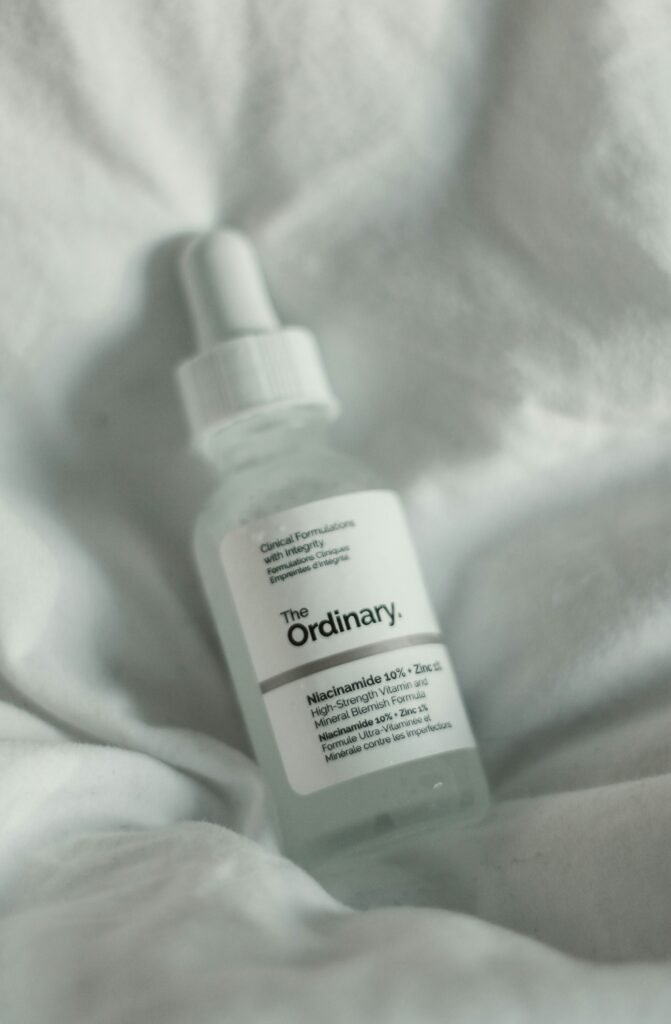
The Ordinary Niacinamide 10% + Zinc 1%
Why I recommend it: Niacinamide won’t read the instruction manual on pigmentation like viniferine might, but it’s excellent at improving skin texture, reducing inflammation, and brightening overall tone. Zinc helps control oil, making it great for combination or oily skin.
How it compares: It’s less targeted for dark spots than alpha arbutin, but it supports the skin barrier and reduces post-inflammatory hyperpigmentation, which is often the real problem.
Best for: Oily, acne-prone skin or people looking to improve overall complexion with less irritation.
Potential downside: High-concentration niacinamide can sting some sensitive skins. Start slow.
SkinCeuticals Discoloration Defense (premium)
Why I recommend it: A more premium, research-backed formula with multiple brightening actives (often including kojic acid, tranexamic acid, and more). It’s designed specifically for discoloration.
How it compares: It’s closer to Vinoperfect in terms of premium positioning and clinical support. The price tag is higher, but so is the complexity of the formula.
Best for: People looking for a high-efficacy, clinically supported option and willing to invest.
Potential downside: Cost.
Quick comparison table
| Product | Key Brightening Actives | Texture | Approx. Price Range (USD) | Best for |
|---|---|---|---|---|
| Caudalie Vinoperfect | Viniferine (grape-derived) | Lightweight serum | Premium | Gentle brightening, daily use |
| The Ordinary Alpha Arbutin 2% + HA | Alpha arbutin | Lightweight watery | Budget | Targeted spot-brightening |
| Good Molecules Discoloration Correcting Serum | Tranexamic acid + niacinamide | Lightweight | Budget | Stubborn discoloration, melasma |
| The Inkey List Tranexamic Acid | Tranexamic acid | Night treatment serum | Budget | Persistent hyperpigmentation |
| The Ordinary Niacinamide 10% + Zinc | Niacinamide + zinc | Lightweight gel | Budget | Oily, acne-prone, general brightening |
| SkinCeuticals Discoloration Defense | Tranexamic acid + kojic acid + others | Lightweight serum | High-end | Clinical-grade discoloration treatment |
Note: Prices vary by seller and region. Ingredient concentrations can differ between brands; consult product labels for specifics.
How to layer a dupe into your routine
I have a complicated relationship with layering products — partly because I like to pretend I’m a Swiss watchmaker with serums and partly because my skin will stage a protest if I use too many steps.
A basic, effective layering order:
- Cleanser
- Water-based toner (optional)
- Brightening serum (viniferine, alpha arbutin, tranexamic acid, niacinamide)
- Hydrating serum (hyaluronic acid)
- Moisturizer
- Sunscreen in the AM
If you’re using vitamin C (ascorbic acid), apply it before most serums because it’s pH-sensitive and works best when given priority. If you’re using retinol at night, use brightening serums on alternate nights if your skin is sensitive. I once tried stacking everything and learned humility.
Patch testing and sensitivity — what to watch for
Serums with active brighteners can sting or cause redness if your skin is reactive. Always do a patch test on the inner forearm or behind the ear for 48 hours. If you see persistent redness, swelling, or a burning sensation, stop immediately.
Some red flags:
- Sudden worsening of hyperpigmentation (rare but possible if sun protection is inadequate).
- Persistent irritation or contact dermatitis.
- Purging (a temporary increase in breakouts), which may be expected with cell-turnover ingredients.
If you’re using acids or vitamin C along with your brightener, introduce one product at a time to isolate potential culprits.
Sunscreen: the non-negotiable partner
A brightening serum is only part of the story. If you want results, sunscreen is mandatory. I can’t stress this enough: without daily SPF use, you’re renovating a house while someone keeps throwing paint at the walls.
Apply a broad-spectrum sunscreen of SPF 30 or higher every morning, reapply if you’re outdoors for extended periods, and reapply after sweating or swimming.
Cost-per-use analysis (simple)
People often mention cost per milliliter. I keep it simple: if a dupe costs 1/4th of Vinoperfect and lasts the same time, the savings can be dramatic. But cheaper often means using more product to get the same effect. Still, many affordably priced actives are concentrated enough to be effective in small doses.
| Product | Bottle Size | Approx Price | Cost per mL (approx) |
|---|---|---|---|
| Caudalie Vinoperfect | 30 mL | $90 | $3.00 |
| The Ordinary Alpha Arbutin | 30 mL | $10 | $0.33 |
| Good Molecules Serum | 30 mL | $12–20 | $0.40–$0.66 |
Numbers will vary by region and discount, but this table gives perspective: you can make real savings while retaining efficacy.
My personal experiment (because I can’t help myself)
I used Vinoperfect for a season and then switched to The Ordinary’s alpha arbutin for another season, keeping a consistent sunscreen and moisturizer. Results? Both reduced the prominence of my post-inflammatory spots, though the speed varied. Vinoperfect felt slightly faster and silkier. The Ordinary performed admirably for a fraction of the price. I kept both in rotation depending on my budget and vanity level.
If you want a cheaper but effective routine, pairing The Ordinary alpha arbutin with a niacinamide serum mornings felt like a good compromise.
Common myths about brighteners and dupes
- Myth: Natural ingredients are always safer. No — “natural” can be irritating (think citrus oils).
- Myth: Higher price = better results. Not always. Efficacy depends on actives and formulation.
- Myth: You’ll see instant results. Most brighteners need weeks to months.
- Myth: One ingredient does everything. Often, a well-formulated combination works best.
Final recommendation
If your main goal is to reduce dark spots and improve overall radiance without spending extravagant amounts, start with:
- A budget alpha arbutin serum (The Ordinary) or a tranexamic acid-based serum (Inkey List or Good Molecules).
- Add niacinamide if you have barrier issues or post-inflammatory hyperpigmentation.
- Use daily sunscreen and be patient for 8–12 weeks.
If you want the prestige and specific viniferine experience, or if Vinoperfect agrees with your skin and budget, it’s a lovely product. But many dupes will give comparable brightening results for a much smaller hit to your wallet.
Quick troubleshooting guide
- No improvement after 12 weeks: Re-evaluate sunscreen consistency and consider stepping up to a multi-active formula (tranexamic acid + alpha arbutin + niacinamide).
- Irritation: Reduce frequency, patch test, and avoid combining too many actives at once.
- Worsening pigmentation: Ensure strict sun protection; if it persists, consult a dermatologist.
Closing thoughts
I like to think of skincare as a long, patient conversation with my face. Sometimes I whisper inexpensive truths; sometimes I splurge on a bottle that smells faintly of vineyard ambition. For many people searching “Caudalie Vinoperfect Serum dupe,” the happy ending is less about exact replication and more about discovering a practical, tolerable, and cost-effective way to achieve similar brightness.
If you want, I can recommend a specific routine tailored to your skin type (dry, oily, sensitive, melasma-prone) with exact product pairings and a week-by-week plan for introduction. I’ll spare you the grape-scented confessions unless you ask for them.